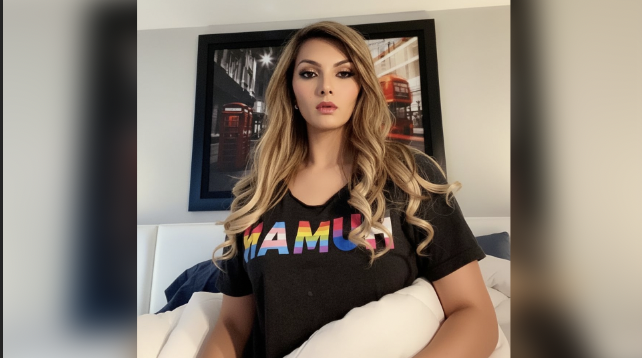


Former actress and humanitarian Somy Ali has spoken candidly about the devastating realities of human trafficking, drawing from her work with No More Tears, the nonprofit organization she founded to support victims of abuse and exploitation. Through years of frontline advocacy, Ali has witnessed some of the darkest aspects of human suffering, but a recent tragedy has left an especially profound impact on her.
Recalling a heartbreaking case, Somy revealed, “Yesterday we lost another child. A 9-year-old girl who was being prostituted died from bleeding after a miscarriage. She was alone, terrified, and too scared to ask for help. If she had access to the morning-after pill, it could have prevented the pregnancy and saved her life. This is the reality we cannot look away from.”
Speaking about the forms of trafficking most commonly encountered by her organization, she explained that victims are often trapped in multiple forms of exploitation simultaneously.
“We see girls and young women forced into sex trafficking and labor trafficking, often at the same time. Many are trapped in massage parlors where they are forced into prostitution under brutal control. Some are threatened that if they do not comply, their mothers, sisters, or children back home in their native countries will be murdered. These are not empty threats. Traffickers often have connections in the girls’ home countries, and the fear is very real. By the time we reach them, many have already been broken in body and spirit,” she said.
According to Somy, traffickers specifically target those who are already vulnerable and struggling to find stability in their lives.
“The lonely, the hungry, and the already wounded are the most vulnerable. Runaway girls, young women who grew up in abusive homes, those who have no safe place to return to, and immigrants who do not yet know their rights or the language. Traffickers look for the ones who are desperate for love, safety, or a way to support their families. They do not always need to use force at the beginning. They simply offer what the person is starving for,” she shared.


Explaining how traffickers lure victims into their networks, Somy said manipulation often begins with false promises and emotional exploitation.
“They lie with kindness first. They promise love, a job, a better life, or a chance to send money home. In many cases, girls are told they will only do massage or waitressing work, but once they arrive, they are trapped. Their passports are taken, and they are told that if they refuse to have sex with customers, their families back home will be killed. The threats are specific and terrifying. By the time they realize the truth, they are already isolated and filled with shame,” she stated.
She also highlighted the significant role poverty plays in enabling traffickers to prey on vulnerable individuals.
“Poverty creates desperation. When a young woman has no money to feed her family or no way to escape a dangerous home, any offer that promises stability can feel like salvation. Traffickers know this. They target the poor because poor girls are more likely to believe the lie and less likely to have anyone who can rescue them. Poverty does not create evil, but it makes evil easier to commit,” Somy explained.
Offering advice to parents and young people, she stressed the importance of communication, awareness, and creating safe environments where victims feel supported.
“Talk openly and without judgment. Know who your children are talking to online and in real life. Notice when someone new moves too fast, isolates them from family, or makes them keep secrets. Teach young people that real love or real opportunity does not demand silence or control. Most importantly, make sure every young person knows they can come home even if they made a mistake. Shame and fear are what keep victims silent. Love and safety are what bring them home,” she said.
Reflecting once again on the tragic loss of the young girl, Somy emphasized that victims of trafficking should never be reduced to statistics.
“She had been threatened that if she tried to escape or seek help, she would be killed. If she had access to the morning-after pill, it could have prevented the pregnancy and saved her life. She was too terrified to go to a hospital. By the time someone reached out to us, it was too late. She died yesterday, in pain, and full of fear. She was not a number. She was a child. Every time I think of girls like her, I feel the fire to keep fighting and to keep speaking.”
Through her advocacy, Somy Ali continues to raise awareness about human trafficking, urging communities, families, and authorities to remain vigilant and work together to protect those most at risk from exploitation and abuse.